
Whoa!
I got hooked on Solana wallets for the same reason a lot of folks do: speed and cheap fees, and that sweet feeling when a swap completes instantly.
Most browser wallets try to be everything to everyone, but some nail the basics—security, UX, and the right integrations—better than others.
My instinct said, from the jump, that extensions would stay relevant, though I was skeptical about how secure they’d be against phishing and sloppy user habits.
After using a few for months, testing dApps, and losing sleep over tiny mistakes, I developed a clearer sense of what actually matters when you use DeFi in your browser.
Seriously?
Yes—security is both simple and maddeningly messy: seed phrases, permissions, and sites that ask for unnecessary access.
You can do a lot right and still make one tiny mistake that costs you real money.
On one hand, extensions make on-chain interactions fast and convenient; on the other, they expand your attack surface if you accept prompts without thinking.
So, okay—there’s a trade-off here that surprises newcomers, and it’s worth thinking through before you click “connect.”
Here’s the thing.
Good extensions guide you and limit footguns, while bad ones let you trip over them.
Initially I thought a prettier UI would be the deciding factor, but the reality was different: permission granularity and transaction previews mattered way more.
Actually, wait—let me rephrase that: beauty helps adoption, but clarity and guardrails keep your assets safe, which is the only thing that truly counts when markets move fast.
That shift in priorities is what changed how I evaluated each wallet.
Hmm…
User experience also includes onboarding—seed phrase flows, account recovery hints, and how they educate you about phishing.
A wallet that treats education as an afterthought will frustrate users, and frankly, that’s on the product team.
I prefer interfaces that use plain language (no crypto jargon), and that ask for permission in context instead of throwing modal after modal at you.
Oh, and by the way, I still use somethin’ simple for everyday swaps and a hardware combo for big moves; balance matters.
Where downloads and trust intersect
Okay, so check this out—if you want a convenient, reliable place to get a reputable Solana extension, the official storefronts matter, but so does the source.
For convenience and safety, many users go straight to the official site or verified stores, and the phantom wallet download extension is a common route people recommend because it points to the known distribution.
Do not grab random extensions from sketchy links in social media or DMs—seriously, don’t.
A good download source plus a quick sanity check (publisher name, reviews, permissions) will stop most scams before they begin.
Trust isn’t automatic; it’s a small checklist you do every time.
I’ll be honest—I’m biased toward wallets that integrate well with the Solana ecosystem (Serum, Raydium, Jupiter, etc.).
That convenience is why extensions remain popular: you can hop between dApps without copying addresses or signing raw transactions in a terminal.
But convenience without clarity is how mistakes happen; I’ve seen people approve contract interactions that were far outside their expectations.
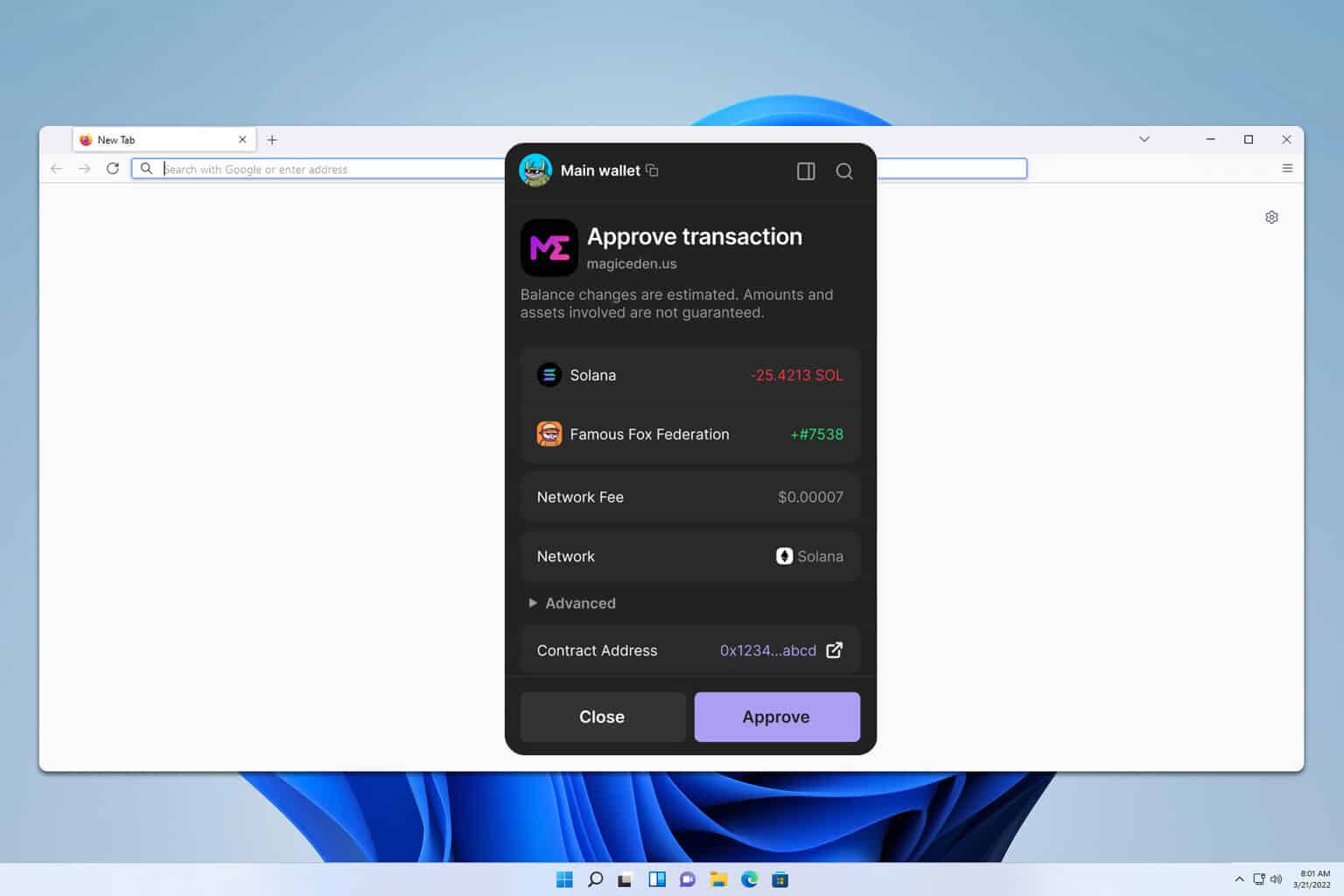
So I look for clear transaction descriptions and the ability to edit gas or fee limits when appropriate, even though Solana’s fees are low.
Those controls give you breathing room when the network or your dApp behaves oddly.
Something felt off about some “all-in-one” wallets I tried—they tried to manage everything for you, and in doing so obscured critical choices.
A wallet that hides the details is a wallet that makes it easier to be exploited, even unintentionally.
On the flip side, hyper-technical wallets can overwhelm new users, so there’s a sweet spot: guided defaults with visible, reversible actions.
I like when a wallet offers a “safe mode” or similar quick setting—little UX choices like that reduce regret.
People underestimate regret; they call it FOMO, panic, or haste, but it’s mostly poor product cues.
For folks who want extra assurance, use an extension as a frontend and back it with cold storage for savings.
A hardware ledger for large balances, and an extension for everyday interactions, is a practical pattern I follow.
This split keeps your active funds accessible while the bulk remains offline, and that balance works well for traders and collectors alike.
And yeah, for collectors who buy NFTs on Solana, quick extension approvals can be a lifesaver—if used carefully.
Be mindful: NFTs have extra metadata risk, so read prompts closely.
My quick checklist when I test a new Solana extension:
– Source and verification (publisher, official site).
– Permission granularity (what can it actually do?).
– Transaction clarity (can I see what I’m signing?).
– Recovery and seed phrase guidance (are they explicit and safe?).
– Community and support (active team, clear changelogs).
It’s not exhaustive, but it catches most issues before they bite you.
FAQ
Is a browser extension safe for serious DeFi use?
Extensions are safe when used correctly: verify the source, keep software updated, use hardware for large sums, and never share your seed phrase.
They are great for active trading and dApp interactions, but for long-term storage pair them with cold wallets.
How do I avoid phishing and fake extensions?
Only install from verified publishers or the official website, check permissions before approving, and if a site asks for unusual access, pause—double-check URLs and community channels.
When in doubt, don’t click.


